
 France
 Germany
 Spain
Spain Netherlands
 Italy
Italy Hungary
 United States
 Australia
Thermocouple with standard connector
Mineral Insulated Thermocouples
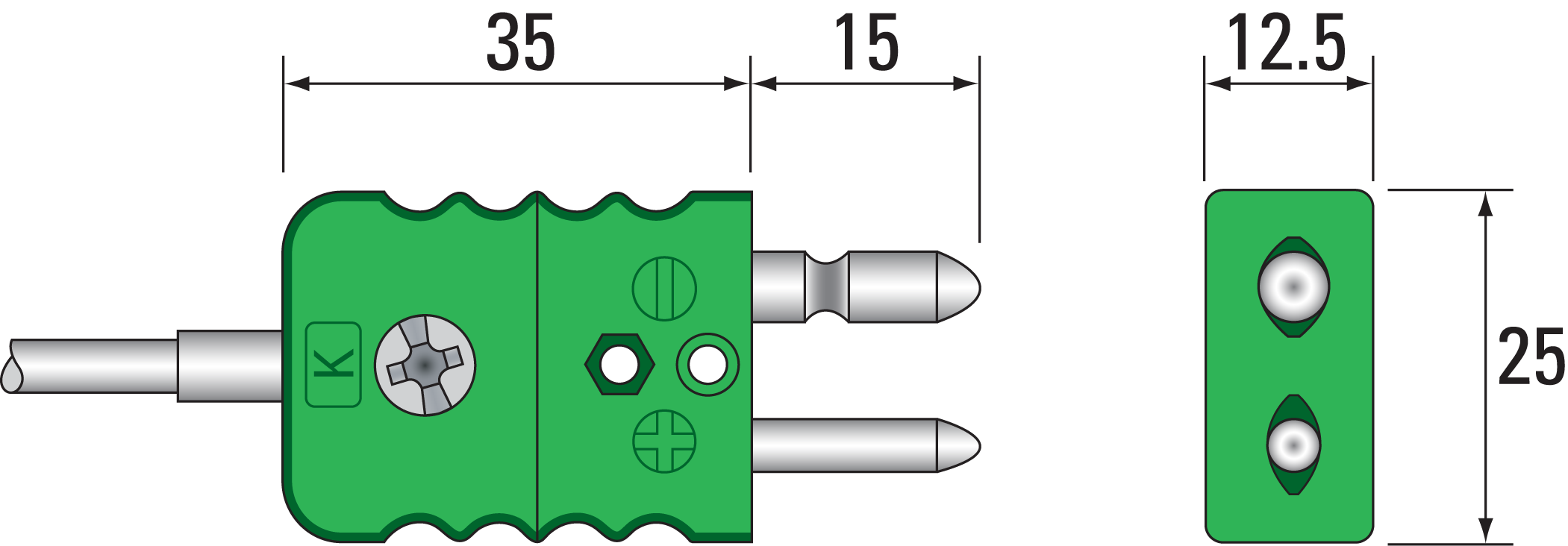
Need a different standard thermcoouple connector? - click to view other options
TC Ltd - Trusted by manufacturers, OEMs and research labs in the UK and Worldwide for over 50 years.
Related Products
Thermocouple Cables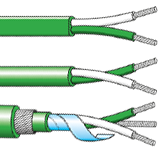
- Mineral insulated thermocouple sensors have a high integrity construction, suited to arduous operating conditions at temperatures from -200ºC to +1400ºC. (The maximum operating temperature is dependent on diameter and environmental factors, further guidance is available here.)
- Custom built to your specification and terminated in a choice of miniature connectors as shown above
- Alternatively, we have a large range of sensors available to buy online in various diameters and lengths
- High accuracy and stability maintained throughout the operating life of the sensor
- Fast response and high insulation resistance
- Available in thermocouple types K, T, J, N, E, R, S & B with sheath diameters from 0.25mm to 3.2mm and lengths from a few millimetres to 200 metres or more dependent on the sheath diameter selected
Thermocouple Quote Request
Use this form to configure a single sensor style. If you require multiple sensor styles, please list them in the Additional Information box at the end of the form or contact us for assistance.
Frequently Asked Questions
- What is a thermocouple and how does it work?
A thermocouple is a type of temperature sensor that generates a voltage when two different metals are joined at one end and exposed to a temperature difference between the "hot" junction (where the temperature is measured) and the "cold" junction (the reference point). This voltage is then measured to determine the temperature at the hot junction. - How do I choose the right thermocouple for my application?
The ideal thermocouple depends on factors such as temperature range, accuracy, termination type, mounting requirements and environmental conditions. We offer a variety of thermocouples with different sheath materials, constructions, terminations, and temperature ratings to meet your needs. If you need specific advice, our engineers are happy to assist! - What is the maximum temperature rating of your thermocouples?
Our thermocouples are designed to handle a wide range of temperatures with some mineral insulated thermocouples able to withstand temperatures up to 1400ºC and ceramic sheathed thermocouples going even higher to 1600ºC. Each product listing includes the maximum temperature rating, so you can choose the best thermocouple for your application.